Organizing Comfortable and Efficient Transportation for Large Groups
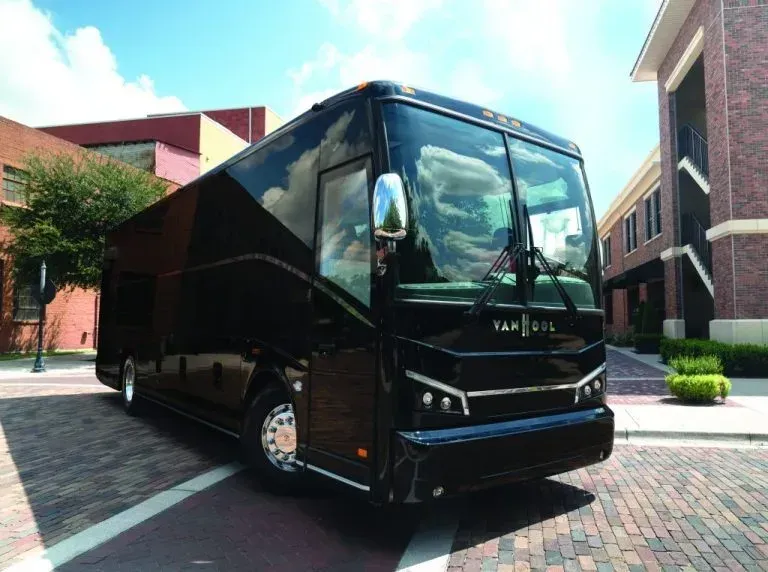
Organizing transportation for a large group can soon become a challenging responsibility when several schedules, pickup details, and travel requirements are involved. Whether the occasion is a professional meeting, family event, social outing, or special gathering, coordinating punctual arrivals requires thoughtful organization. A carefully coordinated transportation plan helps eliminate complications, lessen delays, and create a more pleasant experience for every participant. By recognizing the essential aspects of group transportation management, organizers can develop a smooth travel experience from start to finish.
When sizeable groups travel collectively, transportation serves a purpose beyond merely moving passengers between destinations. It becomes a significant component of the entire event experience. Well-managed coordination assists with maintaining schedules, encouraging communication, and creating a more pleasant travel experience. At A1 Quality Express Limousine, we appreciate the importance of delivering organized transportation arrangements that support convenient and reliable group travel.
Plan Transportation Ahead of Time
Well-organized group transportation begins through early planning. Delaying arrangements until the final stages can reduce available choices and make it harder to meet the group's unique requirements. Transportation planning should begin with confirming passenger totals, travel timelines, expected departure schedules, and destination requirements. Collecting this information in advance provides a strong basis for transportation plans that align with the event schedule.
Early preparation helps organizers identify possible challenges before they create disruptions. Various factors, including traffic patterns, pickup arrangements, accessibility requirements, and event schedules, may influence transportation decisions. Considering these details beforehand enables planners to design transportation strategies that improve efficiency. Detailed preparation often contributes to smoother journeys and reduced disruptions.
Understand the Specific Size and Needs of the Group
A critical transportation planning task is evaluating the number of participants and their specific requirements. limousine fleet Correct passenger totals help planners choose suitable vehicles while avoiding capacity-related issues. Attendance estimates should be confirmed early and adjusted as necessary as arrangements progress.
In addition to attendance totals, organizers should evaluate the specific needs of individual travelers. Certain passengers may need extra storage capacity, while others may require accessibility support or special arrangements. Recognizing these requirements helps transportation plans be tailored appropriately. Obtaining comprehensive details helps planners deliver greater comfort and efficiency throughout the trip.
Design a Well-Organized Transportation Schedule
A detailed transportation plan works as a reference point for everyone involved. Organizers should clearly list departure times, pickup locations, journey durations, arrival objectives, and planned route stops. A precise itinerary reduces ambiguity and helps every participant stay informed about their responsibilities. Clarity and consistency are particularly important when handling larger groups with many participants.
Effective communication greatly contributes to schedule reliability. Travelers should receive full transportation instructions before the event starts. Sharing travel details through various platforms helps keep everyone aligned. When participants have clear expectations, transportation operations tend to run more smoothly and efficiently.
Implement Central Pickup and Drop-Off Areas
Coordinating multiple pickup locations can make group transportation more complex than needed. When possible, coordinators should use unified pickup and drop-off points for participant convenience. Consolidating gathering locations helps streamline the boarding process and reduces delays caused by coordinating multiple stops. It simplifies communication processes and boosts overall coordination effectiveness.
Centralized points allow for easier confirmation of all travelers before departure. Leaders can check attendance, share important updates, and respond to questions prior to travel. This organized approach helps ensure that everyone is prepared and that transportation operations stay on schedule. Clear meeting points contribute significantly to a well-coordinated travel experience.
Prioritize Clear Communication Throughout the Process
Effective communication is one of the most valuable tools in successful transportation coordination. Participants must be kept informed of schedules, instructions, and any adjustments. Accurate communication reduces confusion and helps passengers prepare properly. Strong communication supports both efficiency and passenger satisfaction.
Organizers should establish reliable methods for sharing updates before and during the event. Group chats, email updates, and assigned representatives help ensure fast communication. Communication consistently serves as the unifying factor in organized transportation. Ongoing communication supports confidence and limits disruptions.
Plan for Unexpected Circumstances
No matter how detailed the plan, unexpected conditions may still arise. Conditions such as weather, traffic, timing changes, and delays may demand immediate action. Building flexibility into transportation plans helps organizers respond effectively when unforeseen situations arise. Preparation creates greater resilience and helps maintain smooth operations despite changing conditions.
Preparedness plans should incorporate communication backups and alternative arrangements. Defined procedures support calm and organized reactions to unexpected issues. Proactive planning allows transportation operations to continue efficiently even when adjustments become necessary.
Focus on Passenger Comfort and Convenience
Passenger comfort is essential to a positive transportation experience. Long travel durations for groups increase the importance of comfort and convenience. Comfort-focused arrangements help create a pleasant journey atmosphere. Passenger comfort increases enjoyment and readiness upon arrival.
Convenience enhances the effectiveness of transportation arrangements. Efficient procedures and clear instructions reduce unnecessary difficulties. Thoughtful coordination allows travelers to enjoy the event freely. Comfortable and convenient travel contributes to a more successful occasion.
Engage Professional Transportation Specialists
Managing large-group transportation requires coordination across many factors, making expert support beneficial. Skilled transport professionals understand scheduling, passenger flow, and efficient operations. Professional experience helps ensure structured and dependable transportation planning.
Expert transportation teams provide insights that enhance coordination. Their familiarity with group travel allows them to anticipate challenges and recommend practical solutions. Using expert support allows organizers to concentrate on the event while logistics are managed properly.
Make Group Transportation Part of the Event Experience
Transportation should be viewed as an extension of the event rather than simply a method of travel. Coordinated travel allows guests to start experiencing the event early. When well organized, transportation enhances the overall experience and creates a welcoming environment.
At A1 Quality Express Limousine, we believe successful group transportation begins with thoughtful planning, clear communication, and a commitment to passenger satisfaction. With the right approach, coordinating large-group travel can be simple and efficient. Focusing on planning, organization, and comfort ensures a seamless travel experience for any occasion. We take pride in delivering smooth transportation experiences that help every passenger travel confidently and comfortably.